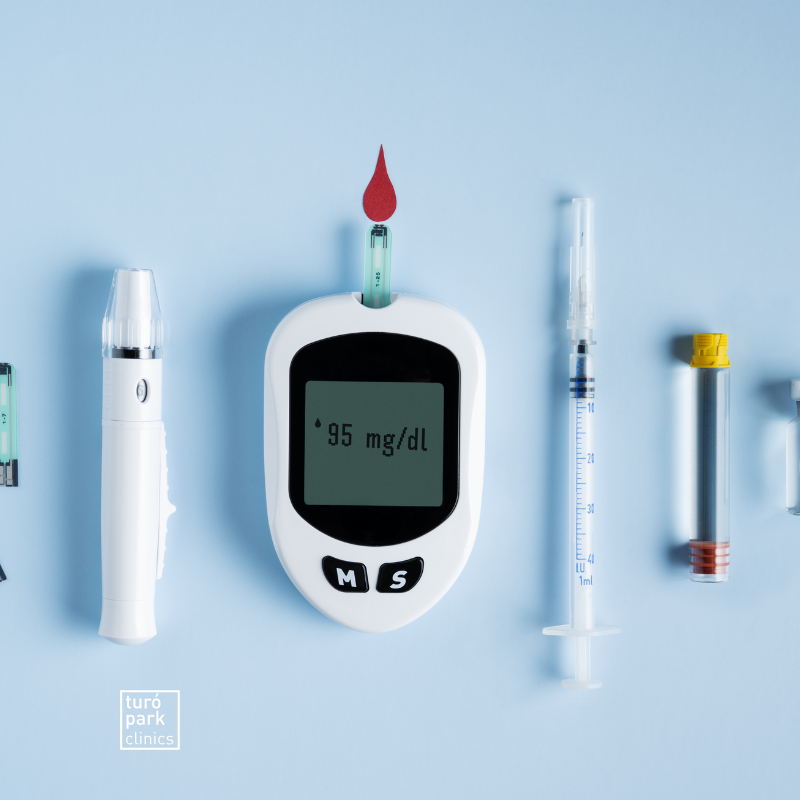
The Path to a Diabetes Treatment

The management of diabetes (type 1 and type 2) is mainly based on a balanced diet, regular physical activity, and medical treatments adapted to the patient's profile and the progression of the disease.

Therefore, there is no single treatment for diabetes, but rather a set of measures that must be considered based on each individual and their situation.

Our commitment is to offer you a comprehensive and personalized approach that improves your quality of life and helps prevent complications, supporting you every step of the way.

Diabetes Treatment in Barcelona

Specialized Diabetes Unit: Key Facts

  • Medical Leadership: Led by our team of endocrinologists and general practitioners with extensive clinical experience.
  • Precision Diagnosis: Evaluation of clinical symptoms, advanced laboratory tests (HbA1c), and immediate lab results.
  • Clinical Programs: Comprehensive and personalized management of type 1 and type 2 diabetes, along with metabolic prevention protocols.
  • Complication Prevention: Screening and annual multidisciplinary check-ups (eye health, cardiovascular, kidney function, and diabetic foot care).
  • Premium International Service: Private medical center in central Barcelona offering bilingual care (🇪🇸 🇬🇧) with no waiting lists.

Learn About Diabetes

#what-is-it

What Is Diabetes and How Does It Affect Your Body?

Diabetes is a chronic condition characterized by an excess of sugar in the blood, a state that medical professionals refer to as hyperglycemia. Every time you eat, your food is broken down into glucose (sugar), which travels through your bloodstream to nourish your cells.

Under normal conditions, this process relies on insulin, a natural hormone produced by the pancreas. Insulin acts as the carrier responsible for moving sugar from the blood into the cells so it can be used for energy. In diabetes, this distribution system is disrupted due to two main phenomena:

  • Insulin resistance: The body produces the hormone, but the cells do not respond to its signal or recognize it properly, preventing sugar from entering them.
  • Lack of insulin production: The pancreas drastically reduces its activity or stops producing this hormone altogether.

As a direct result, sugar cannot enter the cells to provide them with energy, remaining trapped outside and dangerously accumulating in the blood.

Although there are several variations, there are two main types of diabetes: type 1 diabetes, which affects around 6% of people with the condition, and type 2 diabetes, which accounts for 92% of cases. The remaining 2% includes more specific forms, such as gestational diabetes during pregnancy, MODY diabetes (of genetic origin), or diabetes secondary to certain diseases or medications.

#symptoms

Recognizing the Signs: Main Symptoms of Diabetes

Many people live with altered blood sugar levels for months or even years without being aware of it. However, the body usually sends subtle yet constant signals when glucose builds up in the bloodstream. Timely identification of classic signs and other common manifestations is key to consulting a specialist early on:

  • Unusual and Constant Thirst (Polydipsia): Feeling the need to drink water constantly, experiencing a dryness that does not go away no matter how much you hydrate.
  • Frequent Urination (Polyuria): With an excess of sugar in the blood, the kidneys work overtime to eliminate it through urine. This causes very frequent trips to the bathroom.
  • Persistent Hunger (Polyphagia): Since cells cannot absorb glucose to get energy, they send an alert signal to the brain that translates into constant appetite, despite eating well.
  • Extreme Fatigue and Weakness: Feeling exhausted or lacking vitality because energy remains trapped in the bloodstream instead of nourishing the muscles.
  • Unexplained Weight Loss: Very common in type 1 diabetes. It occurs because the body, unable to use sugar, starts burning muscle tissue and fat at an accelerated rate to produce energy.
  • Blurred Vision: High glucose levels can temporarily alter the fluid in eye tissues, affecting the eyes' ability to focus.
  • Slow Healing: Small cuts, scrapes, or bruises that take much longer than usual to heal due to the impact of sugar on blood circulation and skin immunity.
#causes

What Are the Causes of Diabetes?

→ Type 1 Diabetes: An Immune Reaction

Type 1 diabetes occurs as a result of an abnormal immune system response. For reasons science is still investigating, the body's own defenses mistakenly attack the beta cells in the pancreas, which are responsible for producing insulin. By destroying these cells, the body completely loses the ability to manufacture its own hormone. It is not related to diet or lifestyle habits, and usually appears suddenly in children, teenagers, or young adults.

→ Type 2 Diabetes: Genetics and Lifestyle

Type 2 diabetes is more common than type 1 and mainly affects people over 40 years of age. The onset of type 2 diabetes is primarily linked to lifestyle, although genetics plays a very important role. In this case, there is no single cause, but rather a combination of factors that contribute to it:

  • Family History: Having parents or siblings with the condition increases biological predisposition.
  • Environmental Factors: Poor diet (high in refined sugars and saturated fats), overweight, obesity, and a sedentary lifestyle are the main triggers that strain the pancreas and lead to insulin resistance.
#diagnosis

How Does Diabetes Diagnosis Work?

When you suspect that your blood sugar levels are out of balance, we can confirm with total certainty how your body is managing glucose using precise analytical tools tailored to your specific case:

1

An assessment of your daily symptoms

Clinical Evaluation: Identification of warning signs in the body.

We will discuss in detail whether you have experienced common signs such as unusual thirst, unexplained fatigue, or the need to use the bathroom more frequently than usual.

2

Specific blood tests

Laboratory Control: Analytical markers of medical precision.

We evaluate blood sugar behavior through fasting lab tests or the Glycated Hemoglobin (HbA1c) test. The latter is an excellent in-clinic tool, providing a "snapshot" or average of your glucose levels over the past three months.

Specialists in Barcelona · +15 years of experience

Your health, our priority.

Our medical team specializing in endocrinology and diabetes helps you control your blood glucose levels, prevent complications, and improve your well-being right from your first visit.

  • Personalized clinical and lab diagnosis
  • First appointment with no waiting lists
  • Ongoing follow-up and lifestyle guidance
Book an appointment now

No obligation · Immediate email confirmation
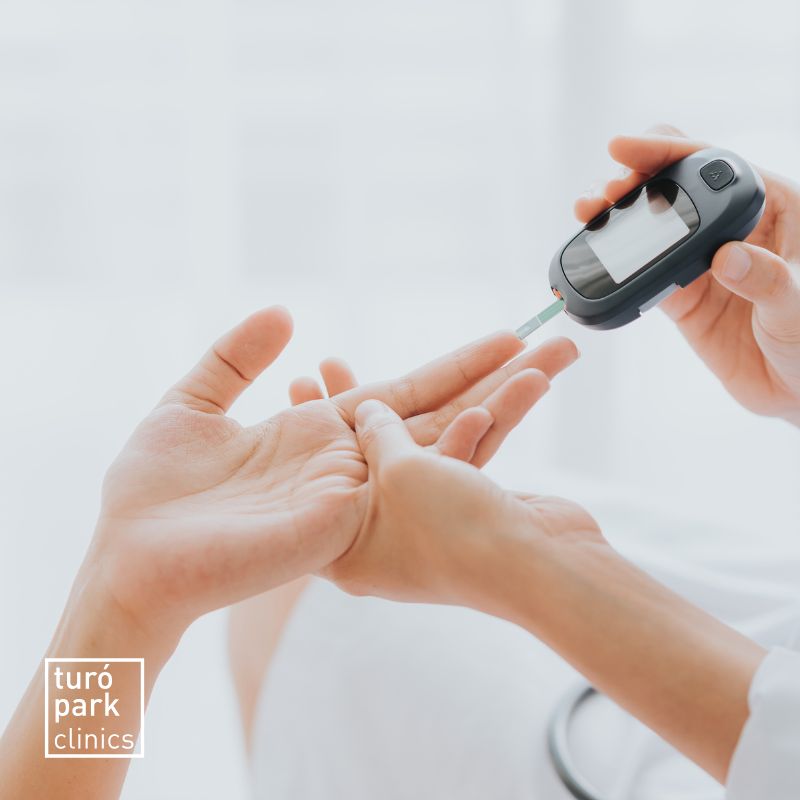
Diabetes treatment specialists in Barcelona - Turó Park Clinics
#treatments

What Are the Treatments for Diabetes?

Today's medical approach aims to adapt the treatment to your life, not the other way around. Depending on your specific needs and the type of diabetes, we rely on three fundamental pillars that should be combined:

1

A Healthy Daily Lifestyle

Eating a balanced diet and keeping your body active are not optional recommendations—they are real medicine for your cells. It is not about enduring restrictive diets that cause frustration, but about learning how to choose and combine foods properly.

2

Oral and Advanced Medication Treatments

When lifestyle changes are not enough to normalize lab results in type 2 diabetes, we turn to oral and/or injectable antidiabetic treatments. Pharmacology has advanced so much that today we have therapeutic options that not only lower blood sugar, but also protect your heart and kidneys.

3

Insulin Administration and Monitoring Technology

For people with type 1 diabetes, and in some advanced type 2 cases, insulin administration is an essential treatment. Through a small sensor placed on the skin, you can view your blood sugar levels in real time directly on your smartphone, eliminating the need for constant finger-prick tests.

This continuous monitoring allows you to make informed decisions: if you detect low levels, you can take fast-acting carbohydrates; if levels are elevated, you can adjust your insulin dose or physical activity, always following the personalized plan tailored during your consultation. In this way, technology is no longer just a number, but your best tool for prevention and control.

#prevention

How to Prevent Diabetes Complications?

As part of your diabetes follow-up, a comprehensive annual check-up is scheduled to prevent and detect potential ophthalmological, sexual, cardiovascular, nerve, kidney, and arterial complications...

In addition to consulting with your diabetologist and taking a blood test, you will also need to undergo:

  • Ophthalmologist Consultation: Includes a fundus exam (dilated eye exam) to look for eye damage and treat it in time. If needed, you can visit your ophthalmologist in Barcelona.
  • Specific Kidney Tests: A blood creatinine test and a urine microalbuminuria test to prevent the development of kidney failure.
  • Limb Care and Examination: A thorough examination of foot health and a monofilament test with our podiatrist service in Barcelona to check for nerve damage.
  • Advanced Cardiovascular Assessment: A heart auscultation and a control electrocardiogram performed in our cardiology unit to rule out any type of heart condition.
  • Peripheral Circulatory Check: An auscultation of the carotid arteries in the neck along with manual palpation of pulses directly in your feet.
#our-team

Our Endocrinologists Specializing in Diabetes

Dr. Mercedes Argibay

Pediatric Endocrinologist
🇬🇧 🇪🇸
Pediatric endocrinologist with over 10 years of experience. He combines clinical rigor and empathy in the treatment of growth disorders, puberty, thyroid disorders, childhood obesity, and endocrine oncology.

View Profile

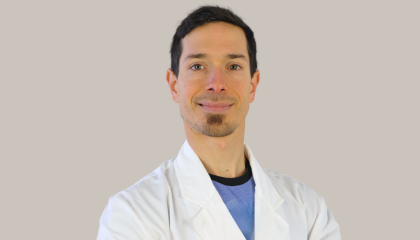
Dr. Albert Cano

Endocrinologist
🇬🇧 🇪🇸
A diabetes specialist with more than 12 years of clinical and research experience. He is known for integrating the latest scientific and technological advances into personalized, cutting-edge medical career.
View Profile

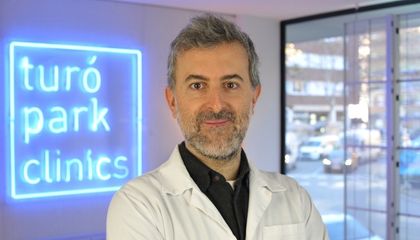
Dr. Xabier López

Endocrinologist
🇬🇧 🇪🇸
Endocrinologist specializing in the diagnosis, treatment, and comprehensive management of hormonal and metabolic disorders (such as diabetes). Expert in performing thyroid ultrasounds for accurate evaluation.
View Profile
#faq

Frequently Asked Questions About Diabetes Control

Is it true that type 2 diabetes can be completely cured?

It is not cured, but you can achieve complete remission. The genetic predisposition remains, but through profound changes in diet and weight loss, blood glucose levels can normalize completely.

If I have diabetes, does it mean I can never eat sweets or carbohydrates again?

No, having diabetes does not mean banning carbohydrates. The clinical key lies in moderation and prioritizing complex, slow-absorbing carbohydrates.

Why is it so hard for me to lose weight if I have insulin resistance?

Because high insulin levels signal your body to store fat. When insulin resistance occurs, the pancreas produces an excessive amount to compensate.

How often should I check my feet at home if I have diabetes?

Foot inspection should be done daily. It is necessary to examine the soles, heels, and between the toes every day to detect red areas, blisters, or cracks.
Dr. Albert Cano Palomares - Endocrinologist Turó Park Clinics
Written and Reviewed by

Dr. Albert Cano Palomares

Specialist in Endocrinology and Nutrition | Diabetes, Medical Technology, and Vascular Health

Dr. Albert Cano Palomares is a top-tier medical specialist in Endocrinology and Nutrition with over 12 years of clinical and research experience. Holding a PhD in Medicine with an Extraordinary Doctorate Award from the Universitat Autònoma de Barcelona and a researcher at the Carlos III Health Institute, he has authored over 20 articles in prestigious international journals such as Diabetes Care. At Turó Park Clinics, he combines care for local and international patients with a precision medicine approach, specializing in the application of cutting-edge technologies for diabetes management, insulin resistance, and metabolic health.

Echa un vistazo a las opciones de financiación

No se preocupe, ¡Nosotros nos encargamos de todo!