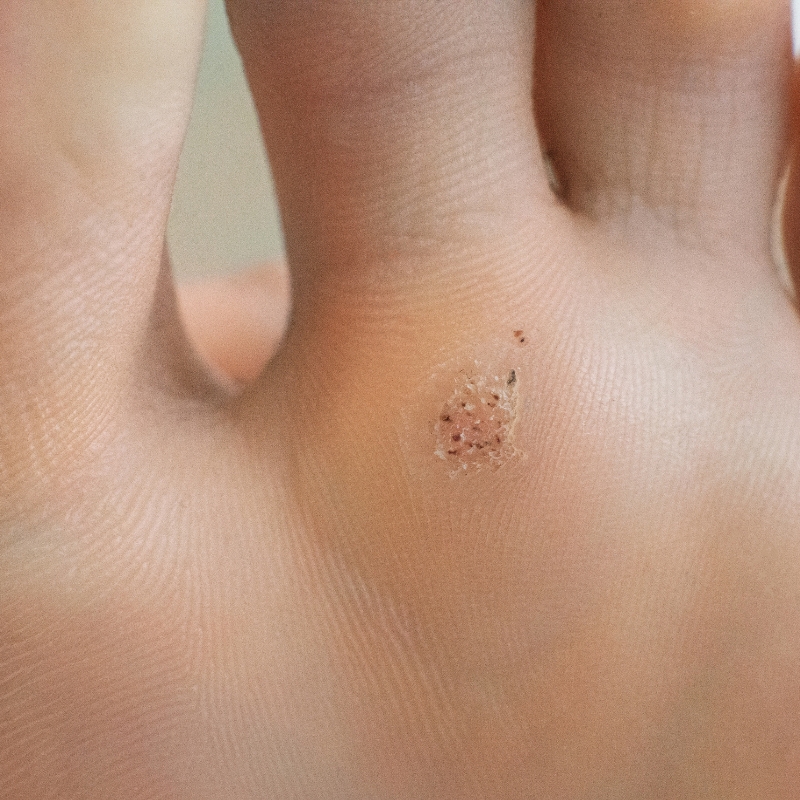
What is a wart and why does it appear?
Warts are benign (non-cancerous) growths on the surface layer of the skin. They are caused by a skin infection brought on by the human papillomavirus (HPV).
There are over 150 different strains of this virus. When HPV comes into contact with your skin, usually through a small cut, a graze or an area of weakened skin, it stimulates rapid cell growth in the outer layer (the epidermis), producing an excess of keratin which forms the hard, rough texture characteristic of a wart.
Are they contagious? Yes. The virus can be transmitted through direct skin-to-skin contact with an infected person, or indirectly by touching contaminated surfaces (such as towels, razors or the floors of swimming pools and changing rooms). They are not serious, but they do require treatment.
Dermatology Unit: Key Data
- Medical Direction: Led by a team of leading specialist dermatologists.
- Main Treatments: Precise removal with CO2 laser, cryotherapy.
- Comprehensive Approach: Accurate diagnosis of the type of wart and personalized healing and prevention guidelines.
- Painless Procedures: Use of local anesthesia for CO2 laser or electrocoagulation interventions for a fast and comfortable treatment.
- Premium Availability: Multilingual dermatological care (🇪🇸 🇬🇧 🇫🇷) with no waiting lists.
Discover how we treat warts
Learn about all types of viral warts
- Common warts (verruca vulgaris): Raised and rough, common on hands and nails. They often feature small black dots inside (clotted blood vessels).
- Plantar warts (verrucas): Grow inward on the soles of the feet due to the pressure of walking. They cause pain, feeling like stepping on a small pebble.
- Flat warts: Small, smooth, and clustered together (sometimes by the dozens). Common on children's faces, women's legs, or men's beard areas.
- Filiform warts: Elongated, shaped like a small thread. They grow rapidly in areas such as the neck, eyelids, or around the mouth.
- Genital warts (condylomas): Transmitted through sexual contact. Due to their location and sensitive nature, they require direct medical evaluation by a specialist in sexually transmitted infections (STIs).
What are the dermatological treatments to remove warts?
Although your immune system may eventually clear some warts over time (which can take months or years), it is advisable to treat them to avoid physical discomfort, prevent contagion as much as possible, or in the case of immunocompromised patients. Additionally, they can be treated for aesthetic reasons. To ensure fast and safe removal, the most effective medical procedures are:
- Cryotherapy (Freezing with liquid nitrogen): A quick, traditional method. The dermatologist applies liquid nitrogen at extremely low temperatures to freeze and destroy the infected cells. After the treatment, a small blister forms and the dead tissue sloughs off naturally within a few days or a few weeks..
- CO₂ laser excision: Ideal for stubborn, large warts or those in sensitive areas. This technology vaporises the lesion with maximum precision and seals the blood vessels, preventing bleeding. It is carried out under local anaesthetic, making it a completely painless procedure.
- Curettage or Electrocoagulation: This involves removing or scraping away the wart using a surgical instrument (curette), often in combination with electrical heat (electrocoagulation) to destroy any remaining tissue and cauterise the area. It is carried out under local anaesthetic and is very effective for filiform or stubborn warts.
- Chemical methods: This keratolytic treatment is another classic option; it involves the daily topical application of high-concentration salicylic acid preparations (between 10% and 60%). It is a gradual, painless process that breaks down the keratin in the lesion little by little until it disappears, so more than one treatment session may be required.
We look after your skin.
Our dermatologists are here to provide personalised care for your skin, hair and nails.
Care and recovery after treatment
Taking care of your skin after having a wart removed is essential to ensure proper healing and prevent reinfection in the area. Depending on the chosen treatment, our dermatologists will provide you with precise guidelines, but in general you should:
Keep the area clean and dry
Wash gently with warm water and mild soap.
Do not touch the scab
It is vital that you do not pick at any scabs or blisters resulting from laser treatment or cryotherapy. In such cases, it is recommended that you apply Vaseline to ensure they heal properly.
Protecting your skin from the sun
New skin is very sensitive to hyperpigmentation. Apply broad spectrum sun cream to the treated area if it is exposed.
Watch out for signs of infection
If you notice excessive redness, warmth, a stinging pain or discharge in the treated area, you should contact your doctor, although complications are very rare.
Prevention: How to avoid contracting or spreading warts?
Since HPV is a very resistant virus, prevention relies on maintaining a strong skin barrier and adopting good hygiene habits:
- Do not walk barefoot in public places: Always wear flip-flops in gym showers, swimming pools, and locker rooms to prevent plantar warts.
- Keep your hands and feet dry: Dry off thoroughly after swimming in public pools or using public showers. The virus thrives in warm, humid environments.
- Do not share personal hygiene items: Towels, nail clippers, pumice stones, or razors must strictly be for individual use.
- Do not bite your nails: Small wounds around the nails create the perfect entry point for common warts.
- Cover existing warts: If you already have one, cover it with a bandage when swimming or doing sports to protect others.
Our answers to frequently asked questions about warts
Does it hurt to have a wart removed?
Can warts reappear after they have been removed?
Can I cut off the wart at home with scissors or nail clippers?
Can I go to the swimming pool, the beach or do sport if I have a plantar wart?
Our specialised dermatologists
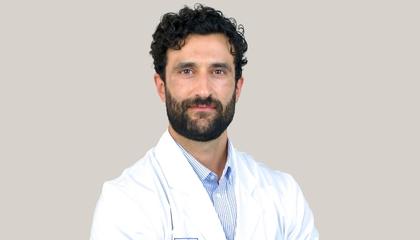

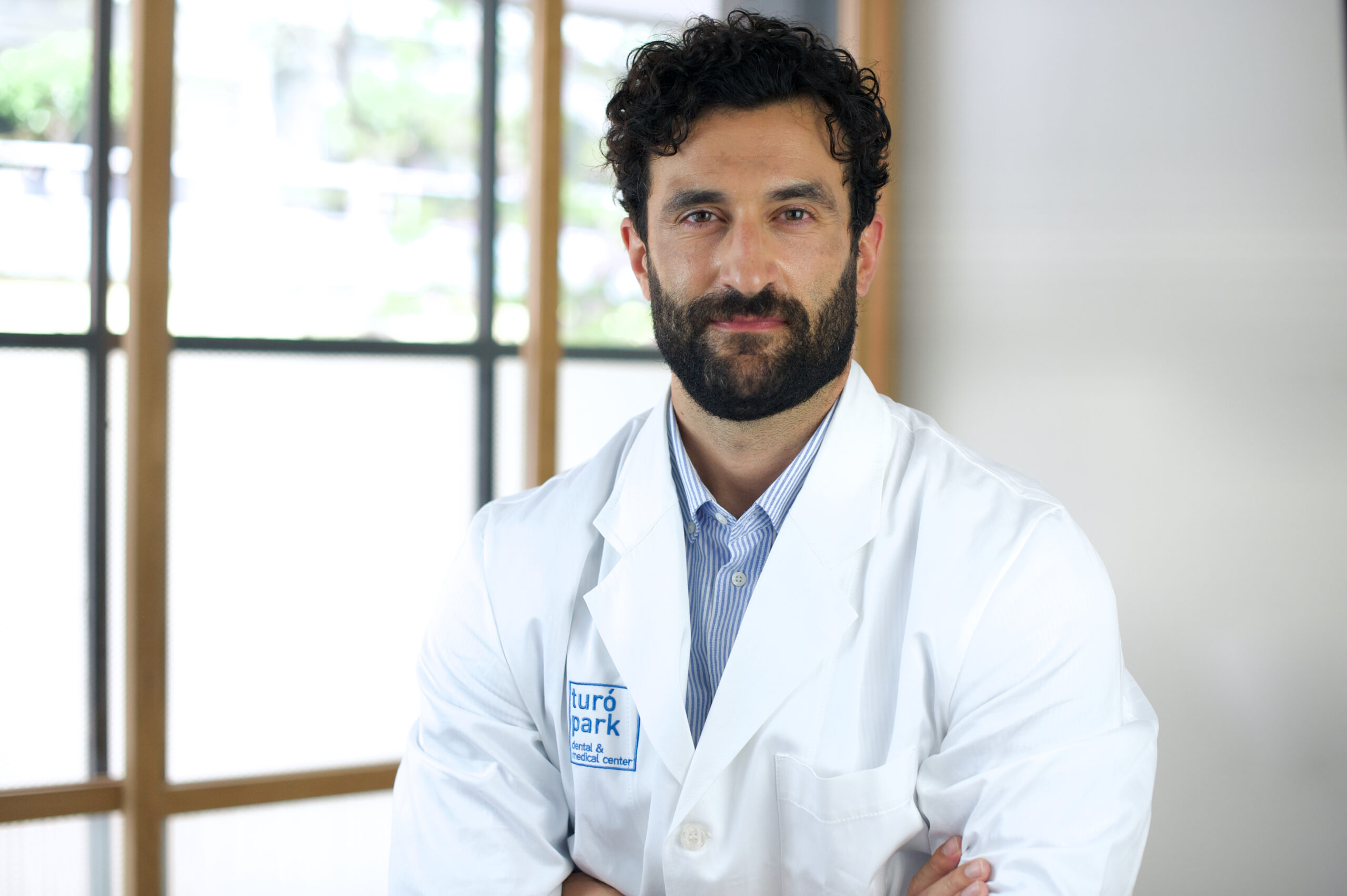
Dr Luis Novoa Lamazares is a specialist in dermatology and internal medicine with over a decade of clinical experience. Having trained at leading centres such as the Sagrat Cor University Hospital and Vall d’Hebron Hospital, he practises at Turó Park Clinics whilst also teaching specialist medical courses at Grupo CTO. In addition to his research work, which has resulted in international publications, he is an active member of the Spanish Academy of Dermatology and Venereology (AEDV) and the Spanish Society of Internal Medicine (SEMI).
View profile and credentials →Have a look at our financing options
Don't worry, we take care of everythign