Regain your mobility with percutaneous neuromodulation
The way we treat persistent pain and sports injuries has evolved profoundly in recent years. We no longer limit ourselves to relieving superficial symptoms; now, thanks to percutaneous neuromodulation, we can act directly on the source of the problem: the peripheral nervous system.
At Turó Park Clinics, we have integrated this advanced technique to offer our patients a solution based on maximum precision. If you have an injury that isn't quite improving or suffer from radiating pain that limits your daily life, neuromodulation is the key tool to help you recover your well-being and get moving again without restrictions.
Fast-track your treatment
To book an appointment or speak to a member of the team, please contact us using the following options.
Percutaneous Neuromodulation Treatment in Barcelona: Key Facts
Treatment Summary
- Chronic and neuropathic pain
- Recurrent sports injuries
- Neuromuscular dysfunction
What is percutaneous neuromodulation?
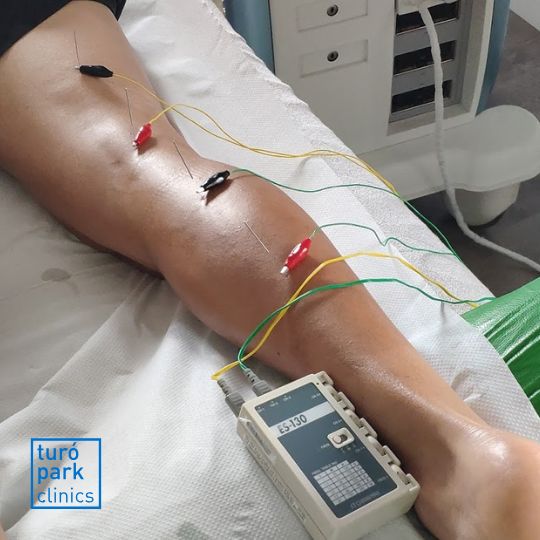
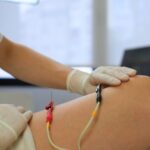
Percutaneous neuromodulation is an advanced physiotherapy technique that involves the application of an ultra-fine acupuncture needle, combined with a low or medium-frequency electrical current, near a peripheral nerve or a muscular motor point.
Unlike other invasive treatments that can be aggressive, neuromodulation is a functional and minimally invasive technique. We do not aim to cause inflammation in the tissue, but rather to normalise the electrical communication between your nerves and your muscles.
Although in specific cases we may use imaging technology such as ultrasound for a deep initial assessment, the key to success lies in the physiotherapist's skill in locating the treatment points through clinical examination and rigorous anatomical knowledge.
Benefits of Neuromodulation for the Patient:
The implementation of percutaneous neuromodulation has transformed outcomes for patients with injuries that didn't responded to other approaches. Based on scientific evidence and our clinical experience, these are its primary benefits:
Electrical current modulates the transmission of pain signals.
By acting directly on the motor point, we manage to "reactivate" muscles that have been inhibited or weakened following surgery or long-term injury.
By treating the focus of the pain in a physical and localised manner, we reduce the need for systemic analgesics and anti-inflammatory drugs, thereby avoiding their potential gastric side effects.
It does not replace, but rather enhances the results of manual therapy and strength exercises, accelerating recovery times.
What is a neuromodulation session like at Turó Park Clinics?
We understand that the idea of a needle and an electric current may cause some initial concern. However, percutaneous neuromodulation is a highly controlled, safe and, above all, painless procedure. In the hands of our team of experts, you will discover a minimally invasive technique designed with your comfort in mind.
Initial Assessment and Anatomical Mapping
We evaluate your posture, mobility, and pain points. We can complement this phase with high-resolution ultrasound to provide even more information, although manual clinical examination remains our primary guide.
The Procedure: Precision Under Control
We use extremely fine needles (similar to those used in acupuncture). The physiotherapist approaches the target nerve with millimeter precision, always maintaining the necessary safety to make physical contact with it.
Sensations During Treatment: What Will You Feel?
You will not feel pain. What you will experience is a tingling sensation, a slight buzzing, or a rhythmic and involuntary muscle contraction. We adjust the intensity of the current according to your sensitivity.
Successfully Treated Pathologies: Who is Percutaneous Neuromodulation for?
| Pathology | Treatment Goal | Expected Clinical Benefit |
|---|---|---|
| Carpal Tunnel Syndrome | Median nerve modulation | Reduction of paresthesia (tingling) and recovery of strength |
| Sciatica and Radiculopathies | Nerve root desensitisation | Decrease in radiating pain toward the leg or arm |
| Chronic Tendinopathies | Improvement of trophism and motor control | Speeding up the regeneration of tendon tissue |
| Ankle Instability | Recruitment of stabilising musculature | Improved proprioception and prevention of new sprains |
| Cervicogenic Headaches | Regulation of occipital nerves | Reduction in frequency and intensity of headaches |
Recovery and Post-Treatment Care
One of the major advantages of this treatment is that it does not require absolute rest.
- Immediate activity: You can resume your normal daily activities right after leaving the clinic.
- Post-session sensation: It is normal to feel slight local discomfort similar to muscle soreness, which typically disappears within 24-48 hours.
- Therapeutic exercise: To consolidate the nervous "reset" we have achieved, we prescribe specific motor exercises.
- Avoid intense heat: We recommend not applying electric heating pads on the same day of treatment to avoid excessive congestion in the area.
A healthy body, a healthy mind!
Our physiotherapists are here to help you manage your pain and recover from your injuries.
Safety and Contraindications: Your health is our priority
As a medical center of excellence, transparency is fundamental. Although percutaneous neuromodulation has an excellent safety profile, there are specific situations where it should not be applied to comply with the strictest medical criteria:
- Implanted electronic devices: Patients with pacemakers or internal defibrillators.
- Pregnancy: Especially during the first trimester (as a general precautionary measure).
- Severe phobias: Individuals with belonephobia (extreme fear of needles).
- Oncological processes: Active infections or tumors in the area of application.
- Coagulation issues: Or patients taking anticoagulant medication without prior medical supervision.
We always perform a prior medical screening. If you have doubts about whether you are a candidate for this treatment, our multidisciplinary team at Turó Park Clinics will evaluate your clinical history in a personalised manner.

Why choose Elena Furió at Turó Park Clinics?
The treatment of chronic pain and complex injuries requires an accurate diagnosis and a high-precision approach. Elena Furió stands out for her ability to combine manual therapy with innovative techniques, guaranteeing accelerated and personalised functional recovery for every patient.
- Specialist in Invasive and Advanced Physiotherapy: Expert in the use of percutaneous neuromodulation and dry needling to act directly on the nervous system and trigger points.
- Multidisciplinary and Technological Approach: Her experience ranges from neurological and traumatological rehabilitation to the treatment of TMJ disorders and pelvic floor health.
- Educational Excellence and International Profile: A graduate of the International University of Catalonia (UIC), Elena offers top-tier care in four languages (Spanish, Catalan, French, and English).
Our answers to the most frequently asked questions about percutaneous neuromodulation
How many neuromodulation sessions will I need?
Generally, we recommend between 3 and 5 sessions. Although most patients notice a significant improvement after the first or second visit, the total duration will depend on whether your injury is recent or if it is a long-standing pain condition.
Is the technique painful?
No, it is not painful. As a minimally invasive technique using ultra-fine needles, what you will experience is a tingling sensation or an involuntary muscle contraction. It may feel like a strange sensation at first, but it is perfectly tolerable.
Can I exercise after the session?
We recommend waiting between 12 and 24 hours before engaging in high-intensity exercise. However, walking or light activity is highly encouraged, as it helps your nervous system better integrate the changes made during treatment.
What is the difference between neuromodulation and dry needling?
Dry needling focuses on the muscle to relieve the sensation of a "knot" (clarifying that fibers do not actually tangle, but are under tension). In contrast, neuromodulation acts on the nerve that controls that muscle, "reprogramming" the electrical signal to eliminate the problem at its source.

Elena Furió is an expert in advanced physiotherapy and percutaneous neuromodulation. With a solid background in musculoskeletal ultrasound and invasive techniques, she specializes in the recovery of complex injuries and chronic pain through high-precision approaches in Barcelona.
View full profile and credentials →Take a look at the financing options
Don’t worry, we’ll take care of everything!